
As a Virginia wedding photographer, I’ve photographed weddings that ran like clockwork—and weddings that felt like a sprint from start to finish. The difference between a calm, joy-filled gallery and a rushed, chaotic one often comes down to a single thing: buffer time.
Couples spend months planning the perfect day, yet one overlooked scheduling detail can quietly impact their wedding photography more than any décor choice ever could. If you want photos that feel relaxed, emotional, and timeless—not hurried or forced—this guide is for you.
Let’s talk about why buffer time matters and how it protects your wedding photos in ways most couples don’t realize.
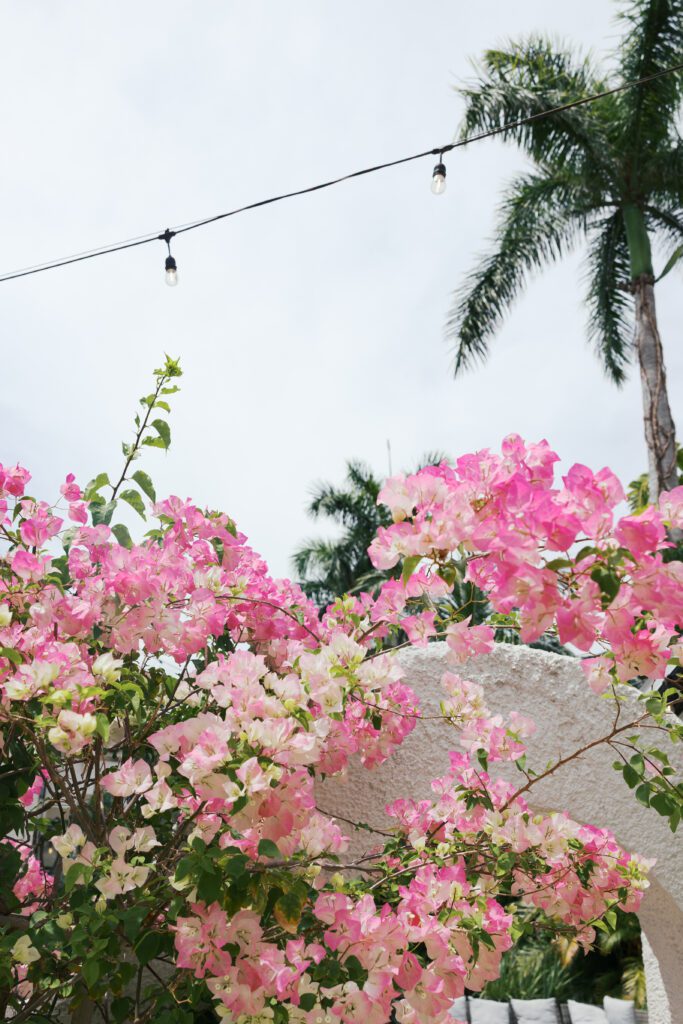
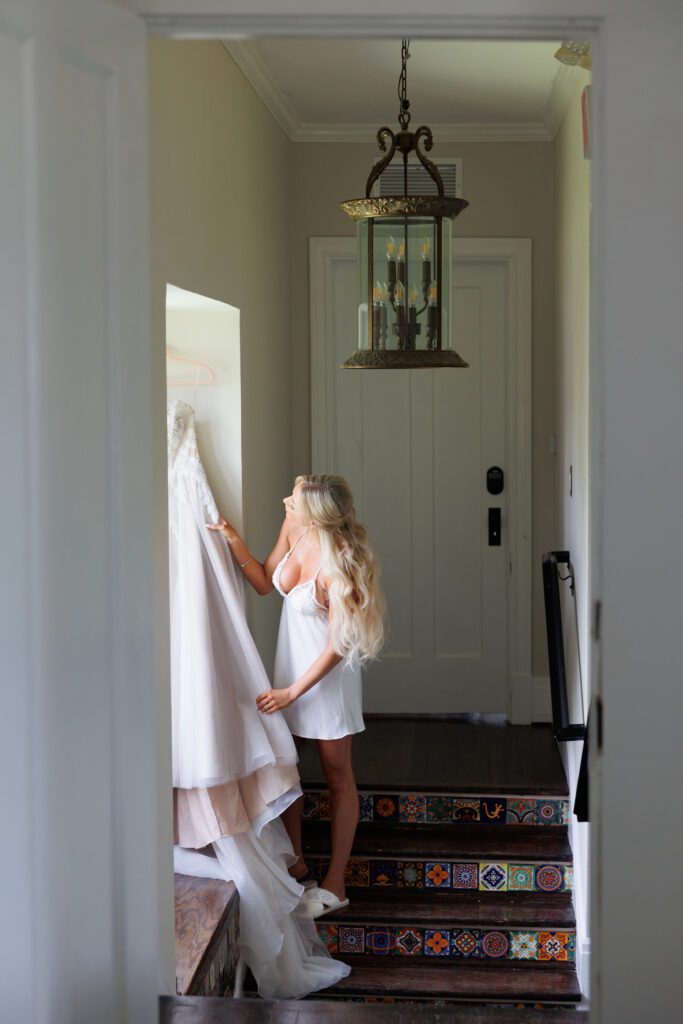
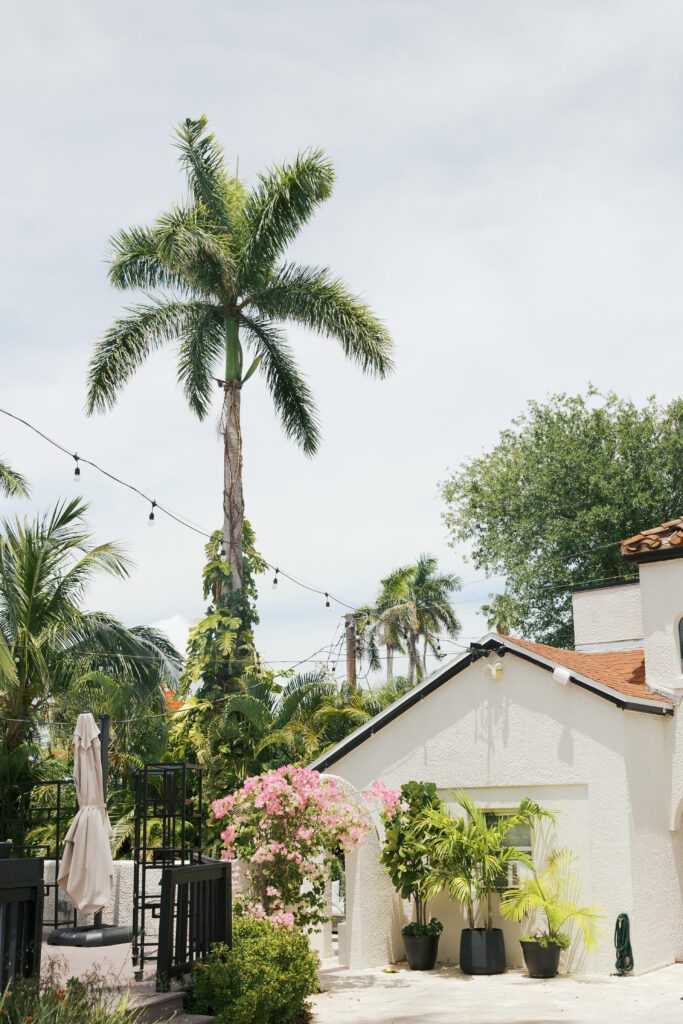
What Is Buffer Time (and why does this Virginia wedding photographer think it matters so much)?
Buffer time is intentional breathing room built into your wedding day timeline. It’s not wasted time. It’s protection.
In real life, things run late:
- Hair and makeup take longer than planned
- A dress button pops
- Transportation arrives behind schedule
- A family member disappears right before portraits
Without buffer time, every small delay snowballs. With buffer time, those moments barely register.
From a wedding photography standpoint, buffer time means:
- Natural expressions instead of forced smiles
- Time to notice beautiful light
- Space for genuine moments to unfold
That’s where meaningful photos live.
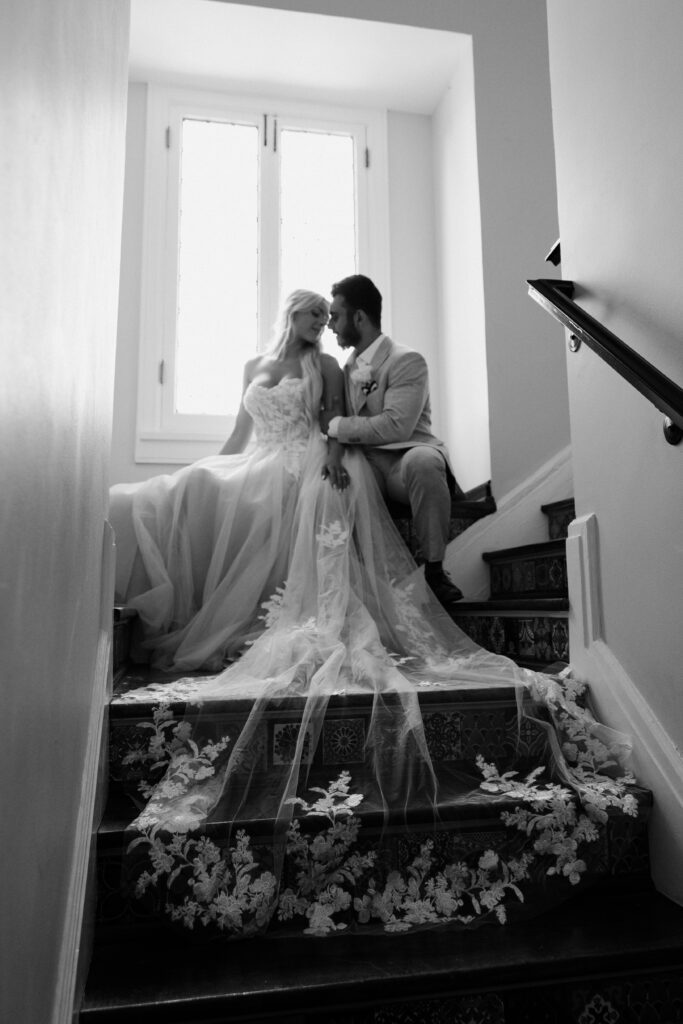
How Rushed Timelines Affect Wedding Photography
When a timeline is too tight, photography becomes reactive instead of creative.
You Lose the Best Light
Golden hour portraits don’t wait. If earlier events run late, sunset portraits are often the first thing sacrificed. Soft, flattering light turns into harsh overhead sun—or disappears entirely.
According to professional photography studies, natural light quality drops dramatically after sunset, requiring heavier flash use that changes the feel of images.
Stress Shows on Faces
You can feel it in photos:
- Tight shoulders
- Forced laughter
- Eyes scanning the clock
Even the most photogenic couples look different when they’re stressed.
Moments Get Missed
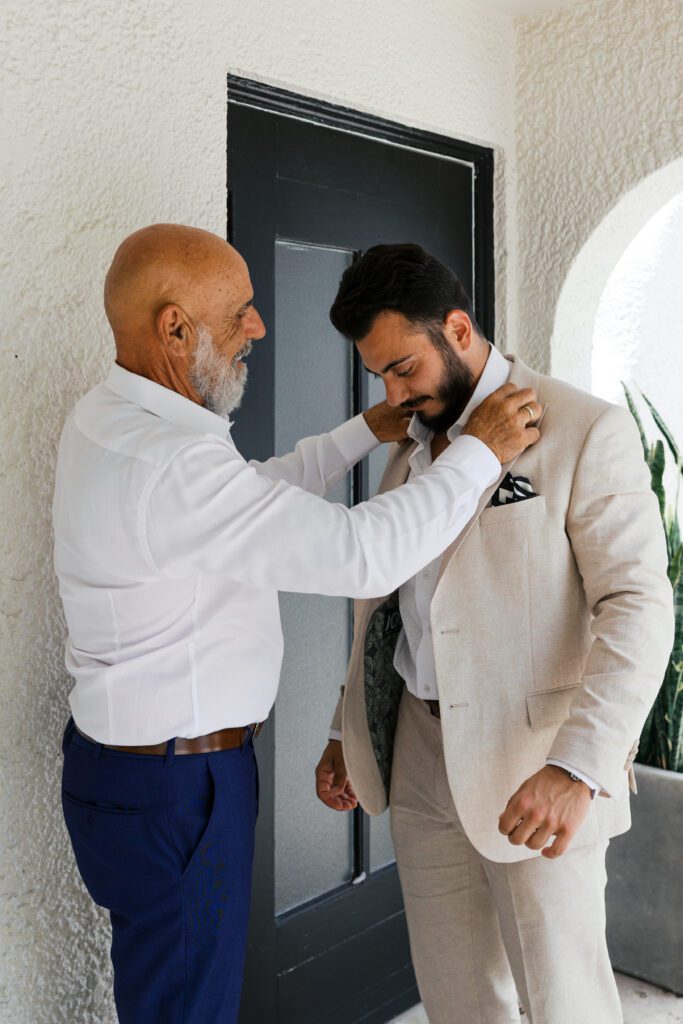
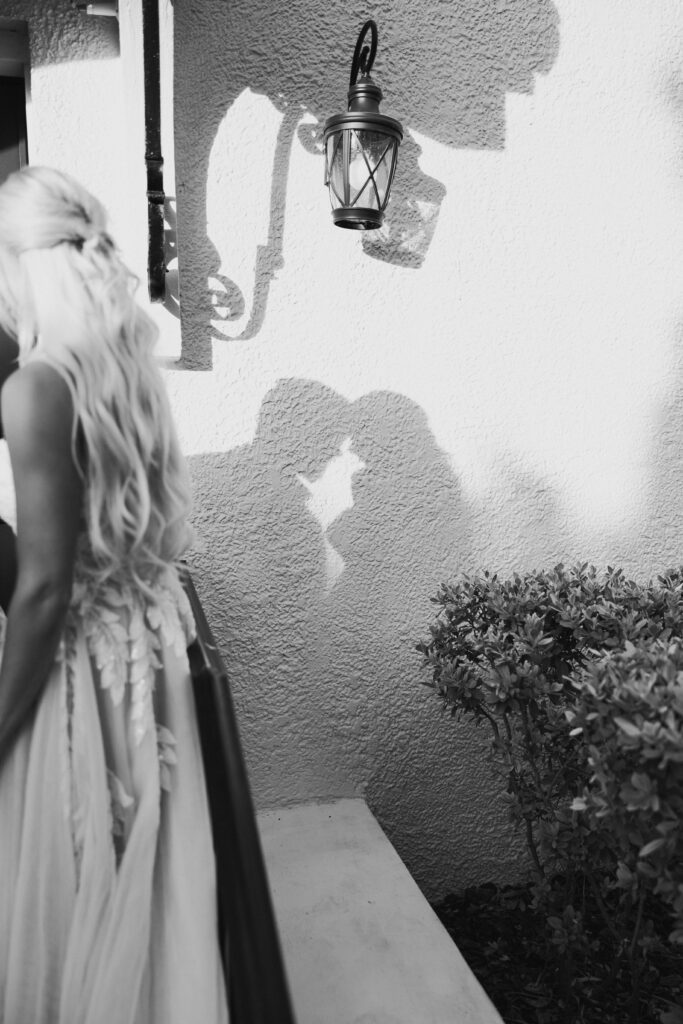
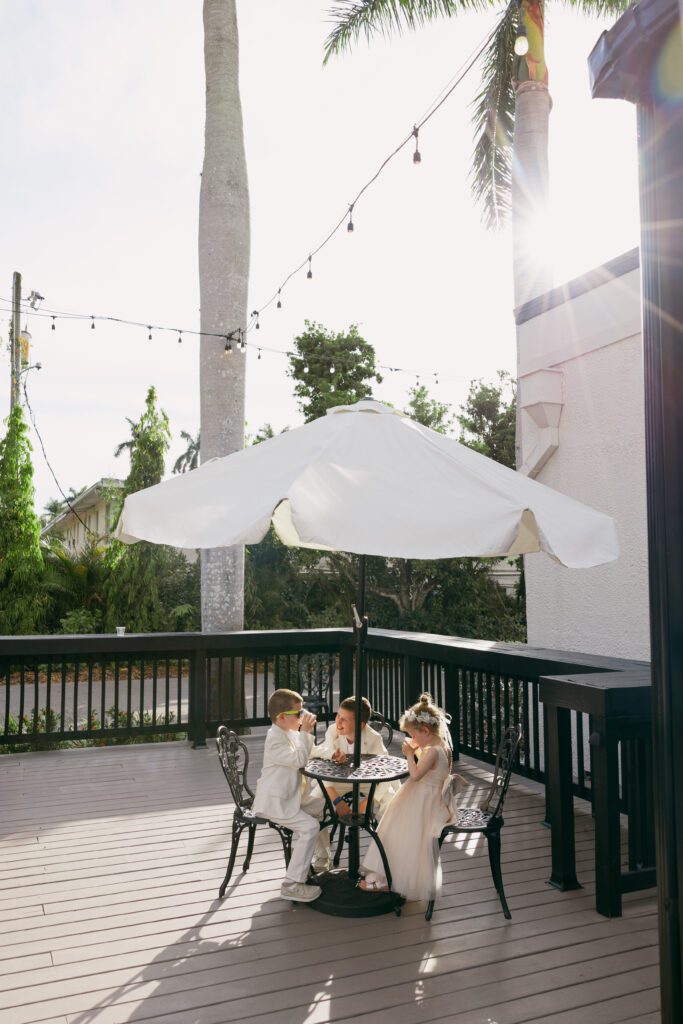
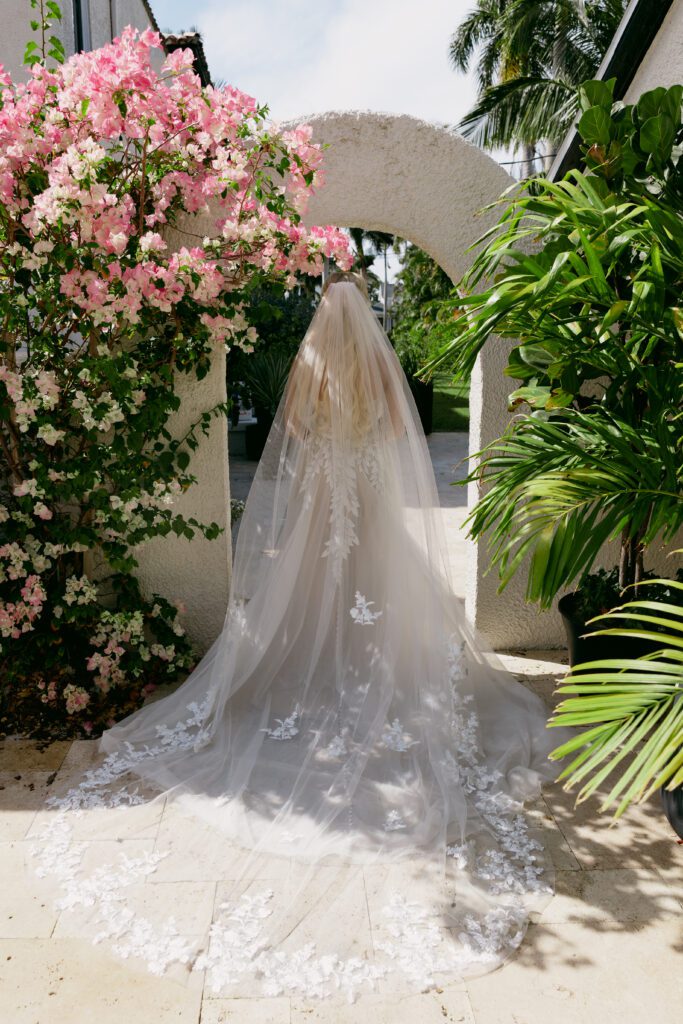
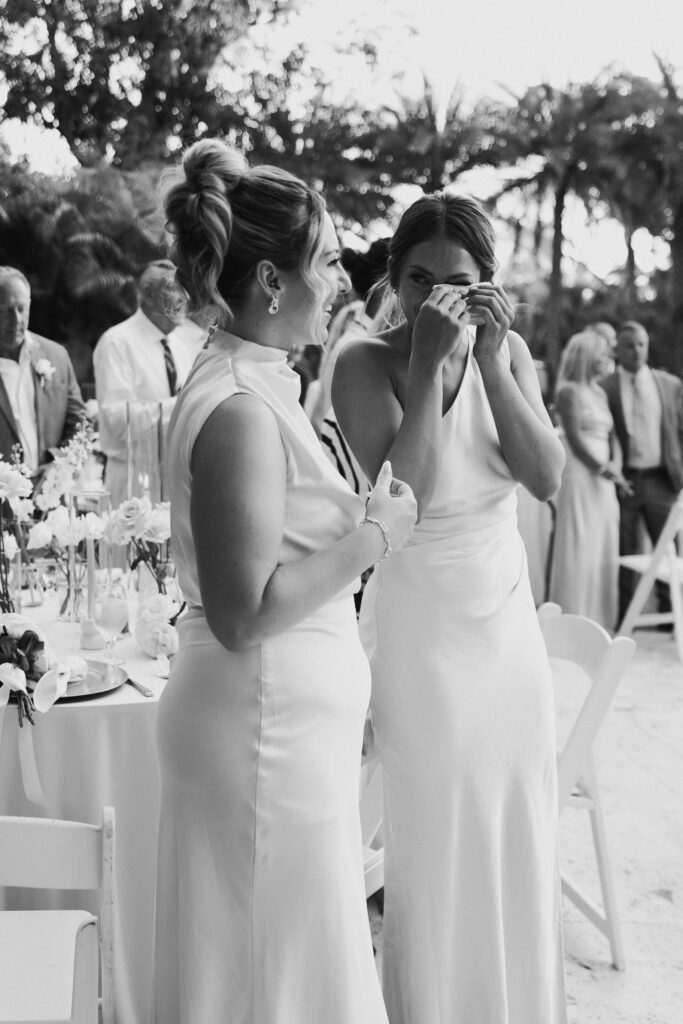
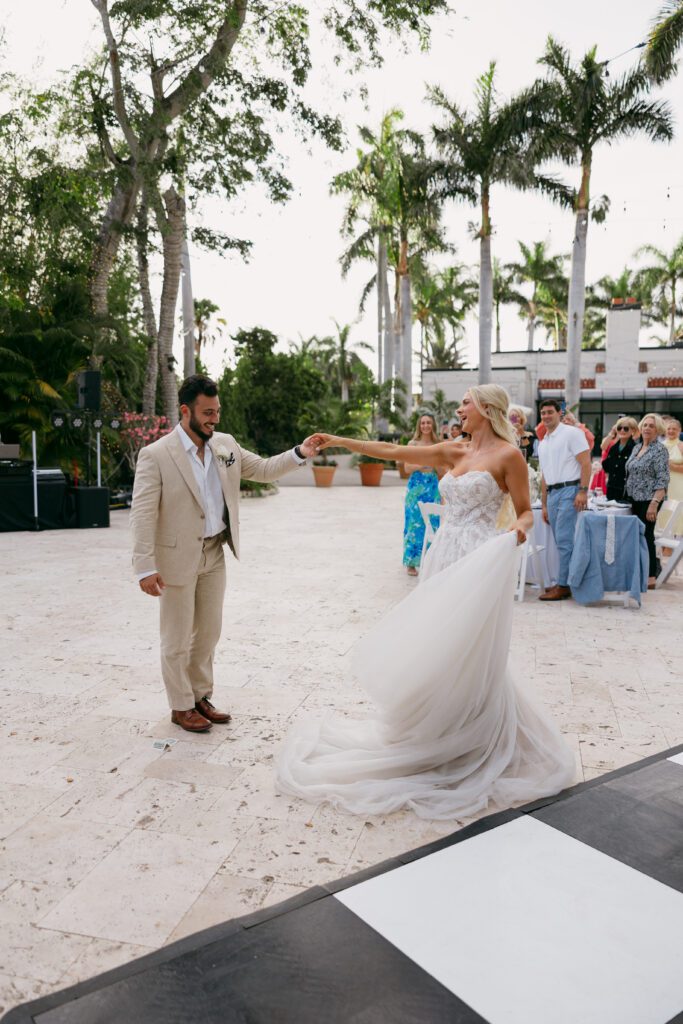
Those quiet, emotional moments—your mom adjusting your veil, a deep breath before the ceremony—happen in the in-between. Without buffer time, they’re gone before the camera can catch them.
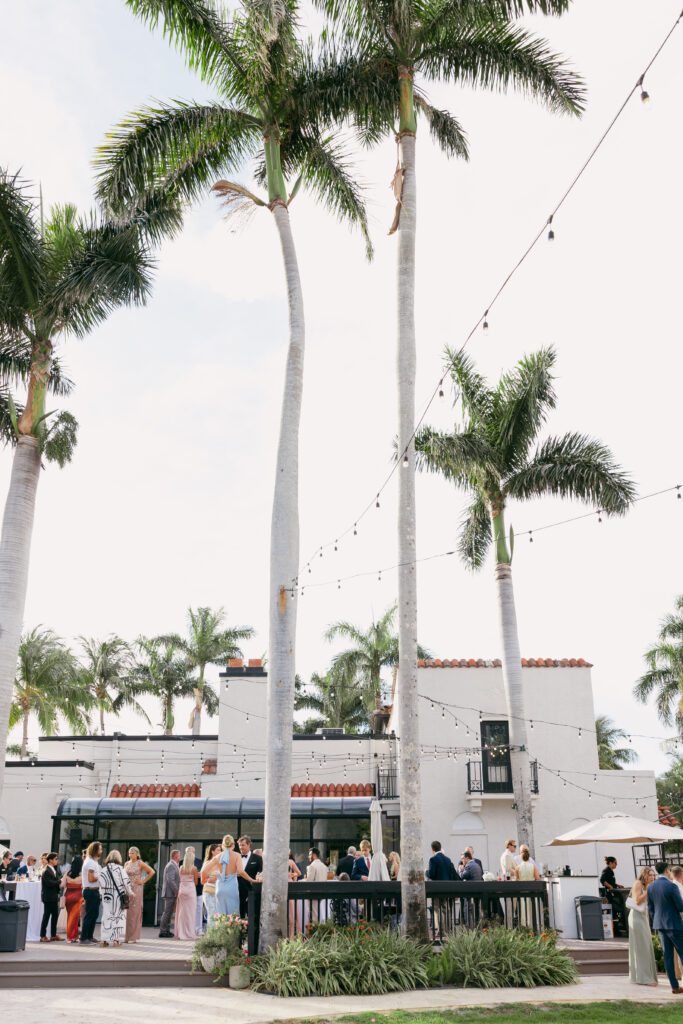
Where Buffer Time Matters Most on a Wedding Day
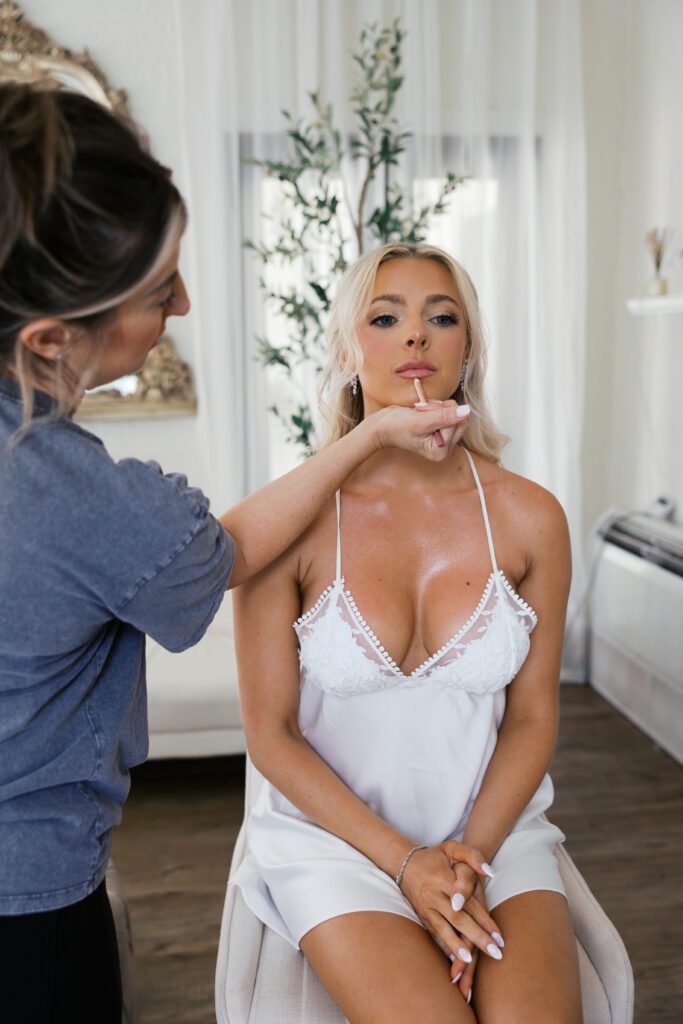
1. Getting Ready Photos
Hair and makeup almost always run long. Adding 30–45 minutes of buffer time allows:
- Clean, clutter-free photos
- Individual bridal portraits
- Real reactions instead of rushed group shots
2. First Look and Couple’s Portraits
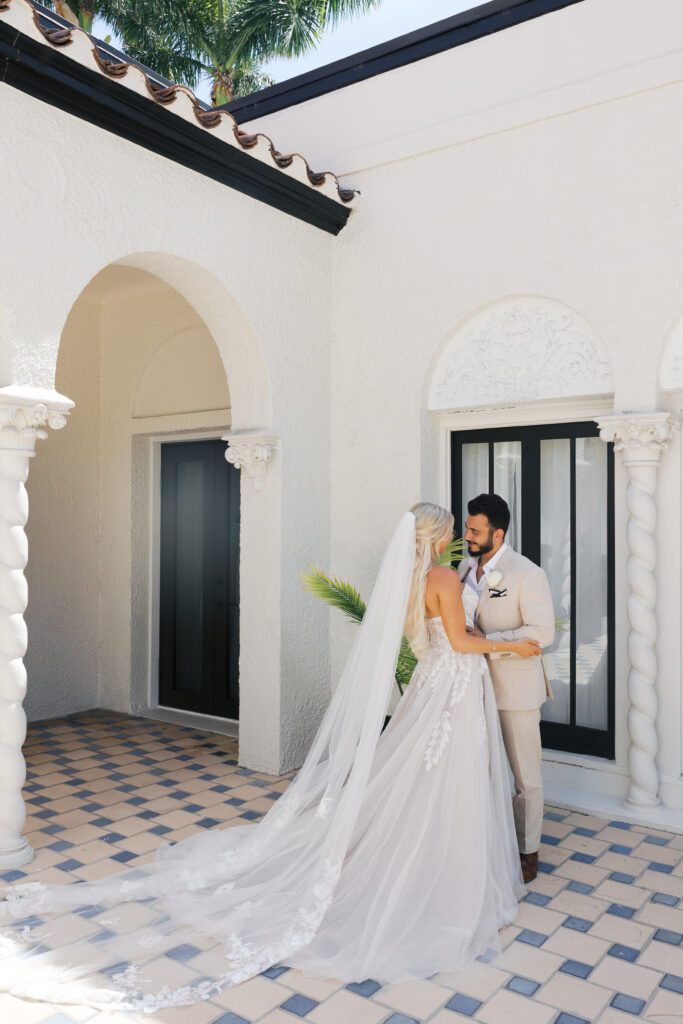
If you’re doing a first look, this is where buffer time shines.
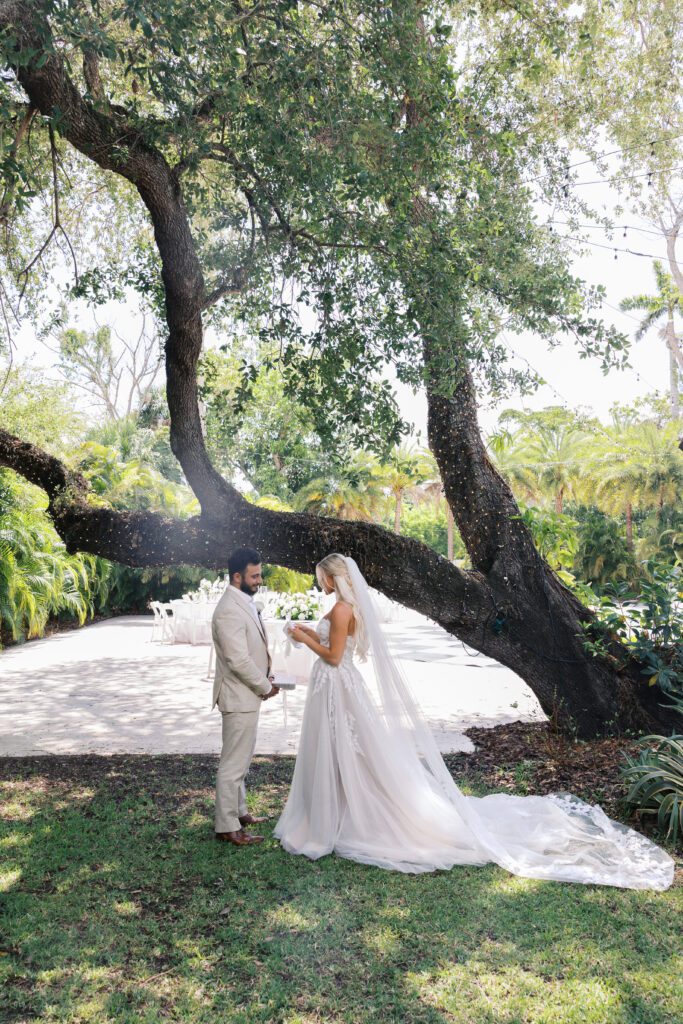
When couples aren’t rushed, I see:
- Longer hugs
- More laughter
- Authentic emotion
As a Virginia Wedding photographer, I can say that connection shows in every frame.
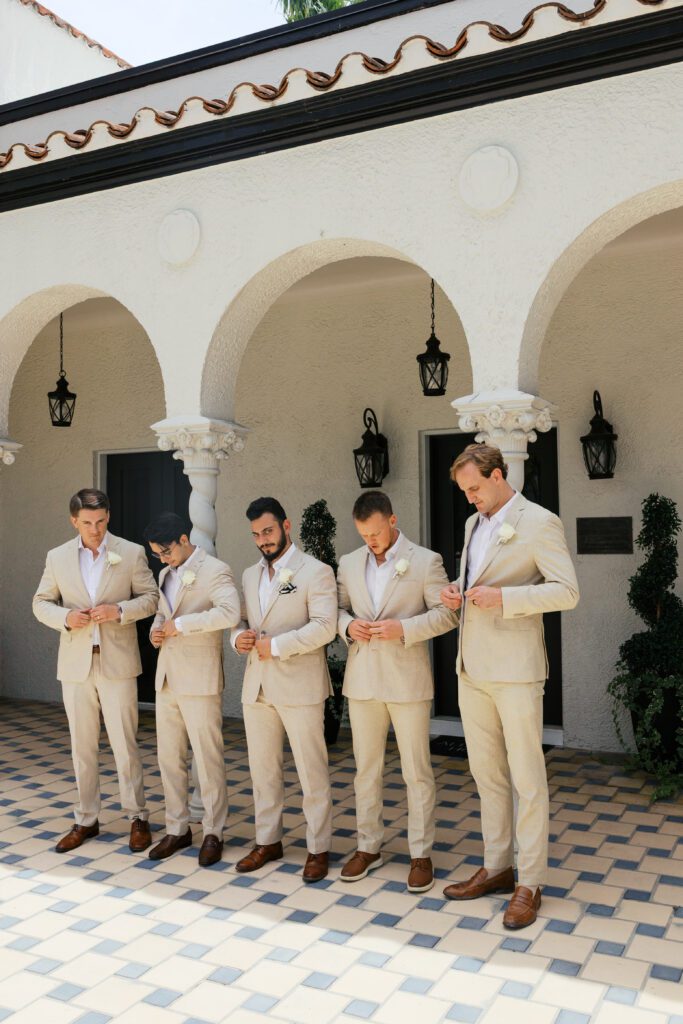
3. Family and Wedding Party Photos
Family photos are notorious for delays. Uncle Bob wanders off. Someone’s missing shoes. Buffer time keeps this from eating into your couple’s portraits.
A good rule of thumb:
- Add 10–15 minutes beyond what you think you need
4. Ceremony-to-Reception Transition
Transportation delays are common, especially at popular Virginia venues. Buffer time here ensures your photographer arrives early, scouts lighting, and captures details before guests enter.
How Much Buffer Time Should You Add?
Here’s a photographer-approved guideline:
- Getting ready: 30–45 minutes
- First look & portraits: 15–20 minutes
- Family photos: 10–15 minutes
- Travel between locations: Add 15 minutes minimum
It may feel excessive on paper. On a wedding day, it disappears instantly.
Why Experienced Wedding Photographers Always Advocate for Buffer Time
Seasoned wedding photographers plan for reality, not perfection.
Professional organizations like Professional Photographers of America (PPA) emphasize timeline flexibility as a key factor in successful wedding coverage (https://www.ppa.com).
Likewise, wedding planning experts at The Knot consistently recommend buffer time to reduce stress and improve the guest—and couple—experience (https://www.theknot.com).
This isn’t about being overly cautious. It’s about protecting your memories.
Final Thoughts: Buffer Time Is a Gift to Your Future Self
Your wedding photos will outlive the day itself. Years from now, you won’t remember a timeline delay—but you will notice whether your photos feel calm, joyful, and real.
As a Virginia wedding photographer, I can confidently say this:
Buffer time is one of the simplest ways to elevate your wedding photography without spending an extra dollar.
Planning Your Timeline?
If you’re still building your wedding day schedule, I recommend reading:
Internal Link Opportunity: “How to Build a Stress-Free Wedding Day Timeline”
Suggested anchor text: wedding day photography timeline
You may also find value in: What to Expect from a Virginia Wedding Photographer
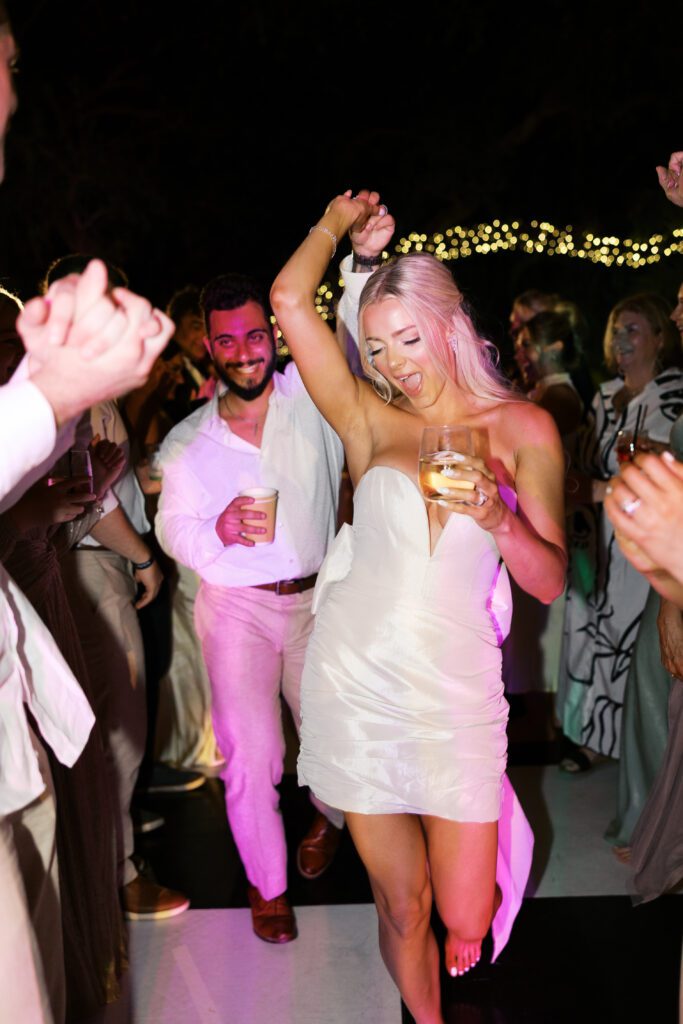
![Night time low light receptio]\
featuring flash imagery](https://michelleboyd-photography.com/wp-content/uploads/2026/01/4G9A4034-1-683x1024.jpg)
Ready for Wedding Photos That Feel Effortless?
If you’re searching for a Virginia wedding photographer who helps you plan a timeline that protects your peace—and your photos—I’d love to connect. Let’s create space for the moments that matter most.
Because the best photos happen when no one is watching the clock.
